Olive Leaves Patterns: A Designer's Real-World Embroidery Review
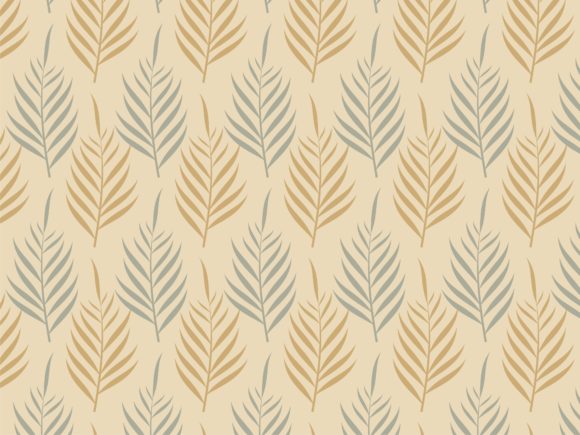
When I first opened the Olive Leaves Patterns file, my immediate reaction was one of calm appreciation. As someone who spends hours selecting digital assets for client projects and personal handmade goods, I look for designs that feel organic rather than stiff. This collection exudes a natural, botanical mood that fits perfectly into modern, earthy aesthetics. The layout feels balanced, avoiding the cluttered look that often plagues generic pattern files. It is not just a graphic; it is a design asset ready to become a tangible, stitched reality.
From Digital File to Finished Product
The transition from a digital screen to a physical embroidered piece is where many designs fail. With Olive Leaves Patterns, the potential for success is high because of its clean lines and distinct shapes. Imagine preparing a custom embroidered tote bag for a boutique client. The olive branch motif offers a sophisticated alternative to the typical floral or geometric patterns found on mass-market bags. When stitched onto a canvas tote, the leaves create an elegant border that suggests quality and attention to detail without overwhelming the user.
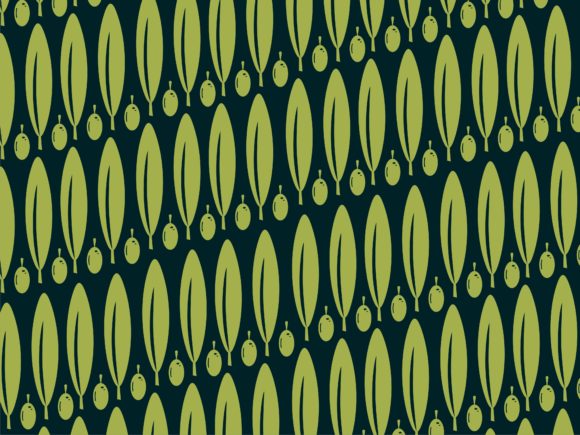
I also see this design thriving in the nursery decor market. A baby sweatshirt or a soft blanket featuring these organic forms would appeal to parents looking for gentle, nature-inspired themes. The embroidery file translates well to baby embroidery because the curves are soft and inviting. However, the designer must consider the thread colors carefully. While the original graphics show green, the actual stitching might require specific shades like sage, forest, or olive drab to match the intended mood. The visual appeal of the finished product relies heavily on this color harmony.
Practical Performance on Different Fabrics
In my experience as a reviewer, the fabric texture is the ultimate test for any machine embroidery design. Olive Leaves Patterns performs admirably on stable fabrics like cotton twill for caps or heavy linen for pillow covers. The satin stitch areas along the leaf edges should hold up well against the friction of daily use. For custom apparel like sweatshirts, the design adds a layer of texture that elevates a basic garment into a premium item. This is crucial for Etsy sellers and small shop products trying to stand out in a crowded marketplace.
However, there are scenarios where caution is required. If you are working with stretchy fabrics, such as jersey knit t-shirts, the density of the leaves could cause puckering if the stabilizer is not chosen correctly. Similarly, applying this pattern to dark fabric requires a solid underlay strategy to ensure the greens pop against the background. The transparency of the original PNG files helps in previewing these effects, but nothing replaces a physical test. I always advise checking how the stitch density interacts with the weave of the material before committing to a full production run.
Where to Use (and Where to Pause)
This design is versatile, but it is not a universal solution. For embroidered patches or small accessories, the level of detail in the leaves might be too fine if the hoop size is limited. Tiny corners can get lost in the stitching process, leading to a muddy appearance. In such cases, simplifying the design or increasing the scale is necessary. Furthermore, while the pattern looks beautiful on flat surfaces, curved surfaces like caps require careful digitizing adjustments to prevent distortion.
Products that need frequent washing, such as kitchen towels or aprons, benefit from this design due to its robust structure. The running stitch elements within the branches add a delicate touch that holds up well to laundering. Yet, for items like holiday gifts or wedding favors, the finished product presentation is key. The organic nature of the olive leaves conveys a sense of timeless elegance, making it a safe yet stylish choice for holiday embroidery projects. It avoids the cliché of traditional reds and greens, offering a fresh take on seasonal decor.
Impact on Brand Value and Customer Trust
For creative entrepreneurs and craft business owners, the quality of your design directly impacts customer trust. A sloppy stitch job can ruin a brand reputation instantly. Olive Leaves Patterns, when executed with proper technique, signals professionalism. It shows that you care about the aesthetic details of your work. When a customer receives a personalized gift with crisp, clear leaf veins and smooth transitions, they perceive higher value in the item. This perception drives repeat business and positive reviews.
The design also supports brand consistency. Whether you are creating a series of matching home goods or a cohesive line of clothing, the consistent style of the olive motif ties everything together. It acts as a subtle signature that customers can recognize. In the world of commercial embroidery, having a library of reliable designs like this saves time and ensures that every output meets a high standard. It allows you to focus more on the business side and less on troubleshooting design flaws.
Essential Notes for the Embroidery Designer
Before you start stitching, there are several practical steps to ensure success. First, always test the design on scrap fabric. This simple step reveals issues with tension, pull-in, or stabilizer choice that might not be obvious in a digital mockup. Check the thread color contrast thoroughly; what looks good on a screen may not translate to thread. Review the stitch density settings in your machine software to avoid excessive buildup of thread, which can distort the shape of the leaves.
Confirm your hoop size matches the design dimensions. If the design is large, you may need multiple hoops, which increases the risk of alignment errors. Inspect small details closely; sometimes, tiny stems or tips can get lost if the resolution is too low or the needle gauge is too thick. Test the design in black and white mockups to ensure the composition works regardless of color. Compare light and dark fabric backgrounds to determine the best underlay strategy.
Finally, use the proper stabilizer for your specific fabric type. Without adequate support, even the best design will fail. Verify whether the license terms allow for both personal and commercial projects, especially if you plan to sell the finished items or distribute the digital embroidery file. Confirm licensing before selling to avoid legal complications. By following these guidelines, you ensure that your use of Olive Leaves Patterns results in a polished, professional outcome.
Ultimately, this collection is a strong addition to any designer's toolkit. It balances artistic flair with technical feasibility, making it suitable for a wide range of applications from tote bag design to sweatshirt embroidery. Whether you are a hobbyist looking to make a unique gift or a seasoned pro fulfilling a bulk order, Olive Leaves Patterns provides the foundation for a successful project. Just remember that the magic happens in the execution, so take the time to prepare your materials and settings for the best possible result.