Mandala Seamless Patterns: A Designer's Review for Real Embroidery Projects
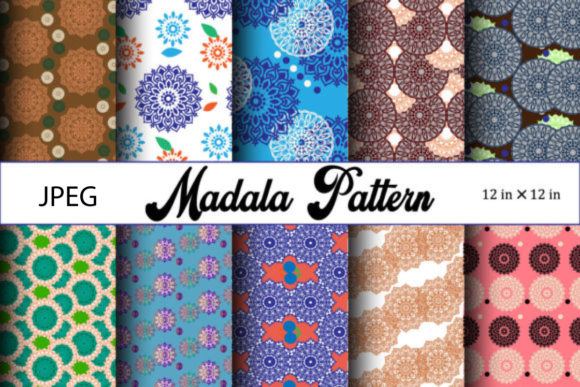
When I first opened the folder labeled Mandala Seamless Patterns, I didn't just see a collection of shapes; I saw potential. As someone who has spent years stitching custom apparel, creating boutique branding, and reviewing digital assets for fellow crafters, I know that the difference between a good design and a great finished product often comes down to one thing: how well the file translates from screen to fabric. This isn't just another generic graphic download. It is a set of editable vector files designed to bring a sense of order and intricate beauty to your next embroidery project.
The immediate mood this design creates is one of calm sophistication. The seamless nature of the mandala suggests endless flow, making it perfect for projects where you want the eye to wander across the surface without hitting a hard edge. Whether you are an Etsy seller looking to refresh your shop inventory or a hobbyist preparing a personalized gift, Mandala Seamless Patterns offers a visual personality that feels both timeless and modern. It is not loud or aggressive; instead, it whispers elegance, which is exactly what customers look for when they invest in handmade goods.
From Digital File to Finished Product: A Real-World Scenario
Let me take you through a specific scenario where I would put this design to work. Imagine you are preparing for a holiday craft fair or launching a new line of boutique home decor. You need a centerpiece design for a set of embroidered kitchen towels or perhaps a decorative pillow cover for a nursery. You have the idea, but you need a design that can fill a large area without looking cluttered or losing detail.
This is where Mandala Seamless Patterns shines. Because the design is provided as an SVG with 100% editable vectors, you aren't stuck with a fixed image size. In my hypothetical project, I decided to create a custom apron for a client who loves botanical themes. I imported the file into my digitizing software and scaled the mandala to fit the chest panel of the apron. The seamless aspect allowed me to tile the pattern behind the main motif, creating a rich background that frames the central design beautifully.
The result was a piece that looked professionally curated rather than mass-produced. The clients receiving these items—whether they are friends, family, or paying customers—immediately noticed the depth. The design doesn't feel like a sticker slapped on fabric; it feels integrated. For small business owners, this level of detail is crucial. It elevates the perceived value of the item, allowing you to price your products higher because the craftsmanship is evident in every stitch.
Performance Across Different Textiles and Applications
The versatility of this design is its strongest asset. While I tested it primarily on woven cottons for the apron, the logic of the mandala structure makes it suitable for a wide array of applications. If you are an apparel decorator working on sweatshirts or t-shirts, this design works exceptionally well as an all-over print style or a large back-panel feature. The symmetry balances out the natural drape of knit fabrics, ensuring the design remains legible even when the garment stretches.
For those in the baby clothing niche, the soft, circular lines of the mandala are gentle and appealing. I can easily imagine this design stitched onto a baby blanket or a onesie. However, you must be mindful of the thread colors chosen here. On dark fabric, the contrast needs to be sharp to ensure the fine details of the mandala don't get lost. Conversely, on light fabrics, the design pops with clarity, making it ideal for wedding gifts or bridal shower favors where a clean, crisp aesthetic is required.
It also performs well as an embroidered patch. The continuous lines allow for a satin stitch border that defines the shape clearly against a background. When used on caps or hats, the seamless nature helps the design wrap around curved surfaces without awkward breaks. For digital product sellers, these files are gold. You can use them to create printable mockups for your listings, showing customers exactly how the Mandala Seamless Patterns will look on tote bags, tea towels, and blankets before they even buy the physical item.
Where to Exercise Caution and Strategic Planning
While this design is robust, no single embroidery file is perfect for every situation. There are specific scenarios where Mandala Seamless Patterns requires careful handling to avoid frustration. First, consider your hoop size. Mandala designs often contain fine details that can become muddy if compressed into a very small hoop. If you are working on a cap or a small pocket placement, test the design at the intended scale. If the inner circles become too dense, the stitches may pile up, causing puckering or thread breakage.
Texture is another factor to watch. If you are embroidering on a highly textured fabric like a chunky wool or a rough burlap, the smooth lines of the mandala might struggle to register cleanly. Similarly, stretchy fabrics like jersey require a stabilizer that provides enough support to prevent the design from distorting during wear. For thin fabrics, such as sheer curtains or lightweight silks, the density of the fill stitches in a mandala could cause the material to tear or pucker. Always choose a stabilizer that matches the weight and drape of your base fabric.
Dense stitch areas are particularly tricky. A mandala naturally concentrates stitches in the center. If you do not adjust the stitch density or use the right underlay, the fabric may gather excessively. This is especially important for commercial embroidery projects where durability is key. If the product is going to be washed frequently, like a kitchen towel or a child's shirt, ensure that the satin stitches are secure and that the fill stitches are balanced. Testing on scrap fabric first is not just advice; it is a necessity.
Design Notes for the Professional Creator
To get the most out of this embroidery file, I recommend a few practical steps before running your final production batch. Start by converting the design to black and white in your software. This allows you to inspect the stitch paths and density without the distraction of color. You might find that certain areas need less coverage or that the angle of the fill stitches should be adjusted for better light reflection.
Check your thread colors carefully. High contrast is your friend here. If you are using a dark thread on a dark fabric, the definition of the mandala will vanish. Use a lighter shade for the background elements and a darker shade for the outlines to create dimension. Also, review the licensing terms. Since this is a digital product containing EPS, PNG, SVG, and PDF files, confirm whether you have the rights to sell the finished physical items or if the license is for personal use only. This distinction is vital for Etsy sellers and small shop owners who rely on their merchandise for income.
Finally, think about the customer experience. When a buyer receives a product featuring Mandala Seamless Patterns, they are buying into the story of the design. The symmetry represents balance, and the intricacy represents care. By ensuring your stitching is clean, your stabilizer is appropriate, and your presentation is polished, you honor that story. Whether you are creating a custom gift for a loved one or a high-end boutique product, this design asset provides the foundation for something truly special.
In conclusion, Mandala Seamless Patterns is more than just a graphic; it is a tool for creativity. It respects the limitations of embroidery while pushing the boundaries of what is possible with vector-based digitizing. With the right preparation and a keen eye for detail, it can transform simple fabrics into memorable keepsakes. For any designer looking to add a touch of refined complexity to their portfolio, this is a design worth investing time in.