Leaf Patterns 2: A Designer's Review for Real Embroidery Projects
As someone who has spent years reviewing embroidery files and testing them on everything from delicate baby clothes to heavy-duty workwear, I know that the difference between a good design and a great finished product often comes down to the details. Today, I am evaluating Leaf Patterns 2, a graphic asset marketed as part of a Patterns category with high-resolution output. My goal is not just to list features, but to give you a practical assessment of how this design behaves when it moves from a digital file to a physical needle and thread.
The First Impression: Mood and Visual Personality
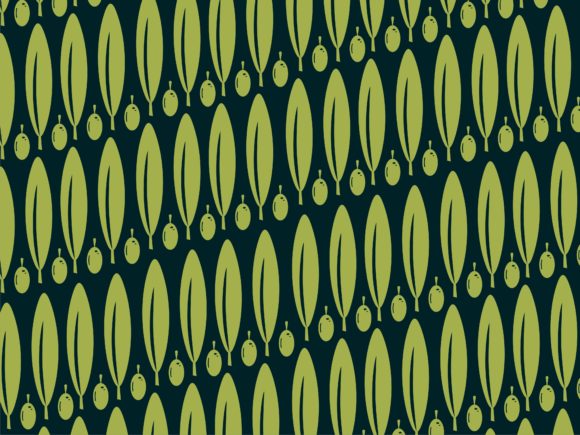
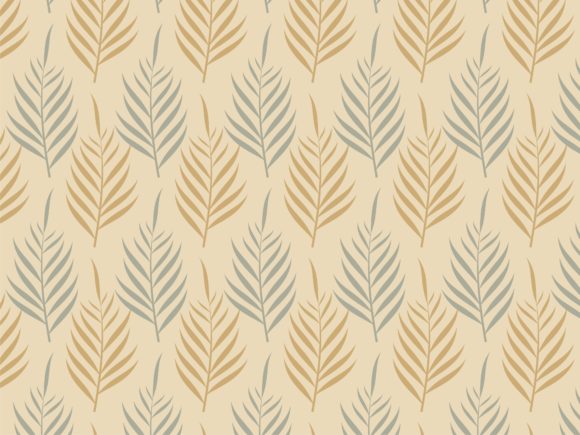
When I first opened the package containing Leaf Patterns 2, my immediate reaction was one of versatility. The design carries a natural, organic mood that feels grounded yet fresh. Unlike some overly ornate botanical designs that can look cluttered or stiff, this pattern strikes a balance between detail and breathing room. The shapes suggest a hand-drawn aesthetic that translates well into textile art.
For a designer looking to create custom apparel or boutique merchandise, this visual personality is a strong starting point. It does not scream "loud" but rather whispers "quality." Whether you are aiming for a rustic farmhouse vibe or a modern minimalist nursery decor piece, the leaf motifs provide a neutral yet engaging backdrop. The layout suggests that these graphics are meant to be repeated or scaled, making them ideal for creating seamless backgrounds on larger items like aprons or throw pillows.
Real-World Application: From Digital File to Finished Product
Let's talk about where Leaf Patterns 2 truly shines in a real-life scenario. Imagine you are an Etsy seller preparing a batch of personalized gifts for the holiday season. You have decided to create a line of embroidered kitchen towels featuring nature-inspired themes. This is where the machine embroidery design aspect of this file becomes critical.
If you stitch Leaf Patterns 2 onto a cotton tea towel, the design likely offers excellent coverage without becoming too heavy. The resolution provided (300 dpi) ensures that the vector-based elements like SVG and EPS will scale up perfectly for large hoop sizes, while the PNGs offer transparency that helps in layering effects before digitization. For a small business owner, this means your handmade product looks professional right out of the hoop.
I also envision this design working beautifully on sweatshirt embroidery. When applied to a fleece or French terry sweatshirt, the leaves add a soft texture that contrasts nicely with the smooth fabric surface. It transforms a basic garment into a unique piece of wearable art. Similarly, for baby embroidery, the gentle curves of the leaves are perfect for onesies or burp cloths, offering a safe, non-aggressive aesthetic that parents love.
However, the utility extends beyond clothing. Think about tote bag design. A simple canvas tote transformed with a subtle, repeating pattern of leaves can elevate a basic accessory into a high-end boutique item. The transparency of the background allows you to integrate the pattern seamlessly over different colored fabrics, ensuring the final finished product maintains its integrity regardless of the base material.
Where to Exercise Caution: Limitations and Challenges
While Leaf Patterns 2 is a strong contender, no design is universally perfect. As an experienced reviewer, I must highlight specific scenarios where this design might struggle if not handled correctly. One major consideration is the hoop size. If you attempt to use intricate sections of this pattern in a very small hoop, such as those used for caps or hat patches, you may lose definition.
On curved surfaces like caps, the flat nature of the original graphic might require significant digitizing adjustments to follow the curvature of the fabric. Without proper digitizing, the leaves could appear distorted or bunched up. Furthermore, if you are working with textured fabrics like bouclé or heavy denim, the fine lines of the pattern might get lost in the weave of the cloth. In these cases, the design might need simplification to ensure the stitch density remains visible.
Another area of caution involves dark fabric. While the design itself is transparent, the thread colors you choose to represent the leaves must have sufficient contrast against a black or navy background. If the design relies on light shading or thin outlines, they may disappear entirely on dark materials unless you use a high-quality underlay or a contrasting thread color strategy. Additionally, for products that need frequent washing, such as kitchen towels or aprons, you must ensure the stitch density is robust enough to withstand friction and water exposure without fraying.
Impact on Brand Value and Customer Trust
In the world of craft business and Etsy sellers, the quality of your embroidery directly impacts customer trust. A poorly executed design can make even a handmade item look cheap. Leaf Patterns 2, when stitched correctly, adds a layer of sophistication that signals professionalism. It shows that you care about the details, which increases the perceived value of your small shop product.
Customers are increasingly drawn to designs that feel authentic and well-crafted. The natural theme of the leaves resonates with buyers looking for eco-friendly or organic aesthetics. This design can help build a cohesive brand identity across various items, from holiday gifts to wedding favors. When your digital embroidery file produces consistent results across different projects, it reinforces brand consistency and encourages repeat purchases.
Practical Notes for the Embroidery Designer
Before you commit to using Leaf Patterns 2 in a commercial project, there are several steps you should take to ensure success. First and foremost, always test the design on scrap fabric. This allows you to check the thread color contrast and see how the fill stitch interacts with your specific fabric type. Do not assume that a design that looks good on screen will stitch perfectly on wool or silk.
You should also review the stitch density within the digitized version of the file. If the design includes areas of dense satin stitch, ensure your machine can handle the tension without puckering the fabric. Confirm the hoop size required for the largest iteration of the pattern to avoid cutting off important details. Inspect the small details closely; sometimes, tiny leaf veins can become muddy if the running stitch is too long or the density is too low.
It is also wise to test the design in black and white mockups to verify the shape and flow without the distraction of color. Compare how the pattern looks on both light and dark fabric backgrounds to determine if you need to adjust the thread palette. Finally, remember to use the proper stabilizer for your project. A design that requires stability, like a complex leaf pattern, needs a sturdy backing to prevent shifting during the embroidery project.
Lastly, double-check the licensing terms. While the zip file includes versatile formats like EPS, PNG, and SVG, confirming whether you can sell finished items made from this design is crucial for any commercial embroidery venture. Ensure you understand the rights associated with the design assets before listing your products online.
By approaching Leaf Patterns 2 with a critical eye and a willingness to test, you can transform a simple graphic into a stunning centerpiece for your next collection. Whether you are creating a personalized gift for a friend or launching a new line of apparel decorators, this design offers a solid foundation for creativity.