Geometric Seamless Patterns 20: A Designer's Stitch Test
As someone who has spent years turning digital files into tangible, stitched masterpieces, I approach every new asset with a mix of excitement and skepticism. When Geometric Seamless Patterns 20 landed in my inbox, I didn't just see a download; I saw potential for a client project. The description lists it as a versatile graphic suitable for wallpaper, texture, and abstract art, but for an embroiderer, the real question is always: how does this translate to thread?
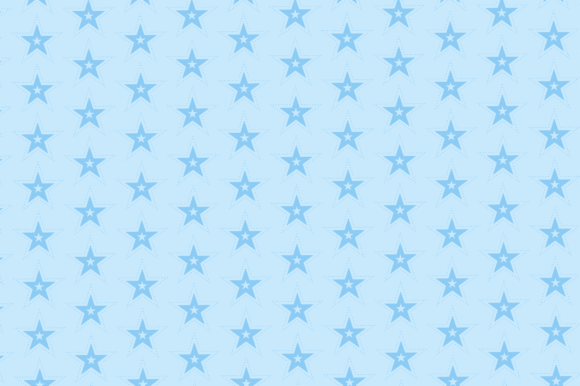
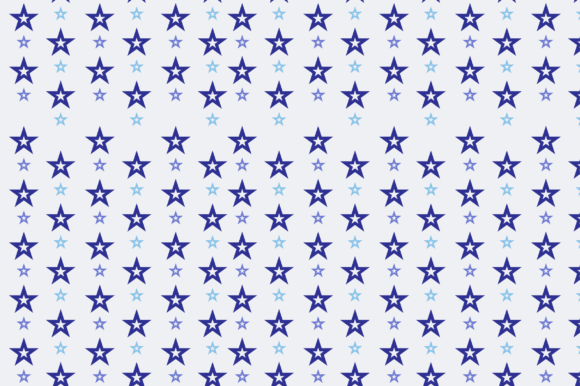
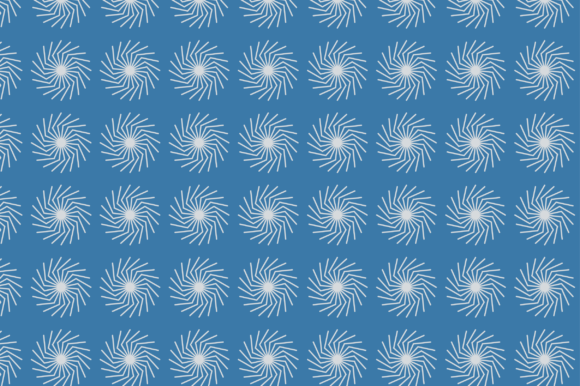
My first impression of Geometric Seamless Patterns 20 was one of structured calm. It possesses a clean, modern personality that avoids the chaotic clutter often found in busy patterns. The shapes are crisp, the lines are deliberate, and the seamless nature suggests it could wrap around an object without jarring breaks. In the world of embroidery, where we are constantly fighting against fabric grain and machine tension, a design with clear geometric boundaries is a designer's best friend.
From Screen to Needle: The Real-World Scenario
Let's imagine a specific scenario. I am preparing for a holiday market season, and a local boutique owner needs a custom line of aprons for their staff. They want something professional yet artistic, not the typical floral or script-heavy designs everyone else is selling. They need something that feels like a brand asset.
I pulled up Geometric Seamless Patterns 20 on my screen and immediately visualized it on a heavy cotton twill apron. Unlike a simple logo, this pattern offers a background texture that can fill a large area without overwhelming the eye. The seamless quality means I could stitch it across the entire bib of the apron, creating a rich, textured backdrop that catches the light differently depending on the angle. This isn't just a decoration; it is a statement piece that elevates the perceived value of the finished product.
However, moving from a digital mockup to a physical sweatshirt or tote bag requires more than just hitting "stitch." I had to consider how the geometry would interact with the stitching process. Geometric patterns rely heavily on precision. If the stitch density is too high, the threads will pile up, losing the sharp definition of the angles. If it is too low, the fabric might show through, ruining the solid look required for this style.
Where This Design Shines
Geometric Seamless Patterns 20 excels in projects that demand a sense of order and modern elegance. For the craft business owner or Etsy seller looking to expand their inventory, this file is a goldmine for several key categories:
- Home Decor: Pillow covers and tea towels benefit immensely from the repetitive nature of the pattern. It creates a cohesive look that looks expensive and professionally designed.
- Custom Apparel: On a denim jacket or a canvas tote bag, the geometric lines provide a strong contrast to the rugged texture of the material. It works particularly well as a chest pocket accent or a full-back design.
- Baby Items: The abstract nature of the pattern makes it perfect for nursery decor or baby blankets. It is gender-neutral and sophisticated, appealing to parents who want something beyond the standard clouds or stars.
- Commercial Branding: Small shop owners can use this as a subtle watermark or background element on their packaging materials, provided they have the rights to print it.
The versatility of this design allows it to function as both a primary motif and a secondary texture. You can use it to frame a personalized name or simply let it stand alone as a bold graphic element. For the creative entrepreneur, this flexibility means fewer files needed to stock a wider variety of products.
The Challenges of Geometric Embroidery
While the visual appeal is undeniable, using Geometric Seamless Patterns 20 in real-life embroidery situations comes with its own set of challenges. Geometry is unforgiving. A slight shift in the hoop placement or a variation in thread tension can turn a perfect square into a skewed trapezoid.
I advise extreme caution when attempting this design on small hoop sizes. If the geometric elements are intricate, shrinking them down for a hat patch or a cap brim can result in a muddy mess where individual stitches blend together. Similarly, on curved surfaces like caps, maintaining the straight lines of the pattern requires significant digitizing adjustments or specialized stabilizers to prevent puckering.
Fabric choice is equally critical. Thin fabrics may struggle to support the weight of a dense geometric fill, leading to distortion. Stretchy knits require careful hooping and potentially a tear-away stabilizer to keep the pattern from warping during wear. Dark fabrics also present a hurdle; if the design relies on negative space or fine lines, the thread color must be chosen carefully to ensure it stands out against the dark background without requiring excessive layers of underlay.
Visual Appeal and Customer Trust
In the handmade market, presentation is everything. A customer buying a $45 embroidered tote bag expects perfection. When they receive a product with Geometric Seamless Patterns 20, the clarity of the design speaks volumes about the maker's skill. Clean lines and consistent stitch density build trust. It signals that the creator cares about the details, which translates to higher customer satisfaction and better reviews.
Furthermore, the abstract and modern aesthetic of this pattern helps products feel timeless. Trends come and go, but a well-executed geometric pattern remains stylish for years. This longevity is crucial for small business owners who want their inventory to remain relevant without constant redesigns. It adds a layer of professionalism that generic clip-art simply cannot match.
Essential Notes for the Embroidery Designer
Before you commit to a full production run, there are practical steps every designer should take. First and foremost, test the design on scrap fabric. Do not assume the file will work perfectly on your specific machine or fabric type. Check the thread color contrast by converting your digital preview to black and white; this ensures the design holds up even if the colors clash.
Review the stitch density closely. If the design calls for too much fill in a small area, it will become stiff and uncomfortable. Confirm your hoop size matches the intended project dimensions. Inspect small details to ensure they won't get lost in the stitching process. It is also wise to compare the design on both light and dark fabric backgrounds to verify versatility.
Don't forget the technical basics: use proper stabilizer for the fabric weight, and check whether the design works for both personal and commercial projects. Most importantly, confirm licensing before selling finished items or digital products. While Geometric Seamless Patterns 20 is marketed as a versatile graphic for various uses, the specific terms regarding resale rights must be verified to avoid legal issues.
If you are an experienced designer looking to add a touch of modern sophistication to your portfolio, Geometric Seamless Patterns 20 is a strong candidate. It offers a balance of complexity and simplicity that, when executed correctly, results in a stunning finished product. Just remember that in embroidery, the devil is in the details, and a little bit of testing goes a long way toward ensuring success.